Why Are Human Hair Wigs So Expensive?
Human hair wigs are often more expensive than synthetic wigs, and many buyers wonder why. If you’ve ever asked yourself, “Why are human hair wigs so expensive?”, the answer
Type of Hair Used in Human Hair Wigs
Human hair wigs use several natural hair types, and each type offers unique characteristics. The four main types include European, Chinese, Indian, and Indonesian hair.
European hair stands out for its fine texture, softness, and strength. It offers excellent durability and a natural look. However, limited availability makes it more expensive.
Chinese hair features a thicker and straighter texture. It delivers strong durability and long-lasting performance. However, its thickness makes styling less flexible, so it works best for buyers who prioritize longevity.
Indian hair offers a finer denier with natural waves and versatile textures. Many people prefer it because it styles easily and creates a soft, natural appearance. However, frequent heat styling can reduce its lifespan.
Indonesian hair provides natural movement, durability, and styling flexibility. It balances affordability, quality, and versatility, making it a popular choice for many wig buyers.
Other popular options include Brazilian, Peruvian, Malaysian, and Cambodian hair. Each hair type offers distinct qualities that suit different styling needs and preferences.
Choose the right hair type based on your preferred texture, budget, and styling goals.
Hair quality differences
Not all human hair is equal. Longer hair is harder to source, certain hair types are scarcer, and untreated or minimally processed hair is more valuable than heavily processed hair.Hair that keeps the cuticles aligned tends to look shinier, shed less, and last longer, which is why better-quality wigs sit at a higher price point.
Construction and labor
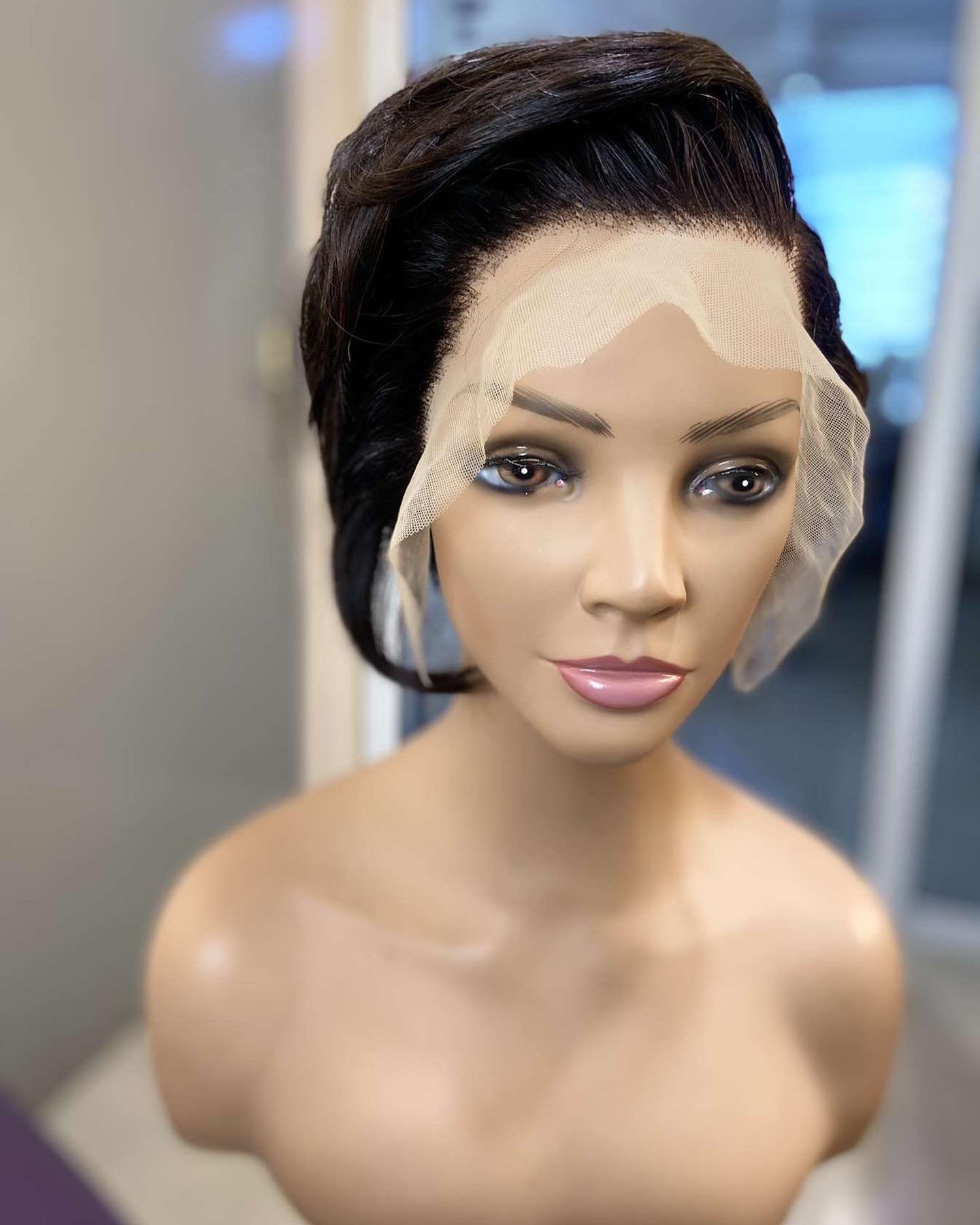
Wig construction is another big reason. Machine-made wigs are cheaper, but hand-tied or lace-front wigs take much more time and skill, which increases the final price Craftsmanship matters too. When each knot is tied with precision, the wig looks more natural and parts more realistically, but that work is slow and costly.
Cap Materials Used in Wigs
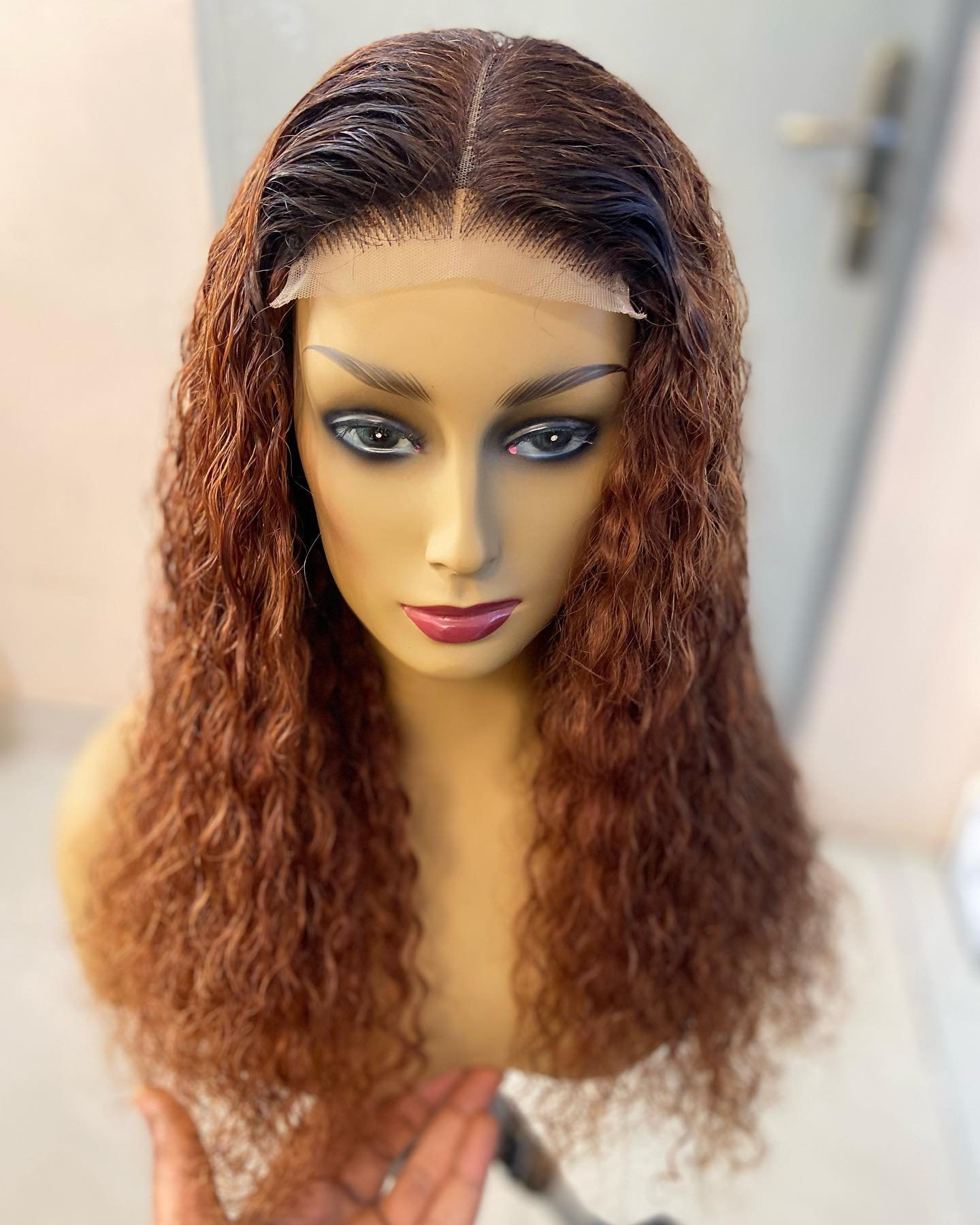
A wig cap is a key part of a wig’s comfort level. . Nylon caps have a very distinct hairline that may not align or comfortably mold with your natural hairline. The material can also be scratchy, stiff, and uncomfortable. By contrast, wigs made from soft lace are more comfortable, less prone to irritation, and are more likely to align with your natural hairline.
Length and Color of the Wig

How a Human Hair Wig is Made
High-quality human hair wigs require specialized attention during every step of production. Meticulous training and years of practice shape wig-making experts who dedicate themselves to creating premium-quality wigs. Much like haute couture in fashion, skilled artisans focus on precision, craftsmanship, and exceptional detail.
Unlike mass-produced hairpieces, talented wig makers carefully handcraft each wig to meet high-quality standards. Depending on the design and complexity, creating one premium wig can take up to a month. This careful construction leads to a higher quality, longer-lasting, more natural-looking wig as compared to a machine-made wig.
How Do Labor Practices Impact Cost?
Factories that engage in mass production often have lower working conditions for their workers. Poor ventilation for workers who work with toxic chemicals such as bleach will offer cheaper wigs, at the expense of their employees and the quality of wigs. Offering fair wages, better working conditions, and hiring skilled artists will inevitably make a wig more expensive. In addition to labor conditions, attention to detail and true craftsmanship play a big factor in the price of a wig.
Wig Cap Ventilation and Hair Density
The ventilation of a wig is defined by the way the hair is tied onto the cap. The way a cap is ventilated will impact the cost and lifespan of a wig. Hand-tying a wig leads to a higher-quality and more natural appearance of a wig. But not all forms of hand-tying are the same. To ventilate a wig, hair is tied in knots through minuscule holes to secure it on the cap. Some companies have four or five hairs per hole, which speeds up the process. By contrast, some companies will only have one hair per knot. This takes 4-5 x as long to ventilate the cap. The single knot method results in a tighter knot and more natural movement whereas multiple hairs in a knot can be looser, look less natural, and shed at a faster rate. This decreases the lifespan and integrity of the wig versus a wig that has single knot ventilation.
Does a more expensive wig mean it will last longer?
Yes and no. Generally, a more expensive wig will last longer because of the higher production quality and the attention to detail in making the wig. However, the biggest factor in the longevity of a wig depends on how well it is cared for. Various factors such as how your wig is washed, styling methods, and your lifestyle will impact the wig’s lifespan. That being said, a higher-quality wig, which tends to come with a higher price tag, will last longer with proper care and maintenance.
Are Human Hair Wigs Worth It?
Yes- if you want quality, durability, and a natural look, human hair wigs are worth the investment.
They may cost more initially, but their longevity and premium appearance make them more cost-effective over time.
At Quality Human Hair, we offer premium-quality 100% human hair wigs, closures, frontals, and bundles at competitive prices in Nairobi and across Kenya.
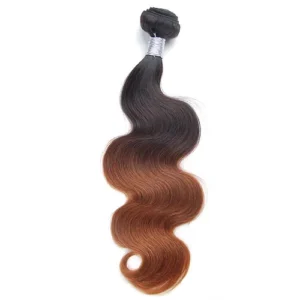
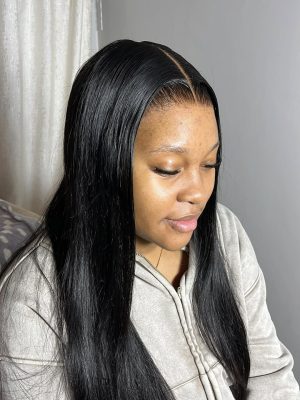
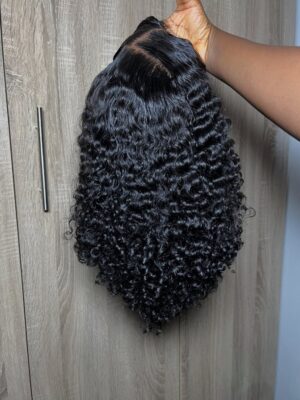
Whether you want body wave, straight wigs, curly wigs, or HD lace wigs, we have options designed to give you a flawless look.


 Register