
How to Prevent Wig From Shedding
How to stop human hair from shedding? Human hair shedding can be frustrating, whether it is your natural hair, a human hair wig, or a weave. Some shedding is normal, but excessive hair loss may be caused by breakage, rough handling, heat, chemical treatments, scalp problems, or an improperly made hairpiece.
The good news is that a gentle hair-care routine can help reduce unnecessary shedding and protect fragile strands. However, shampoo and home remedies cannot treat every type of hair loss, especially hair loss caused by genetics, hormones, illness, or nutritional deficiencies.
Natural Remedies to Strengthen Hair and Reduce Breakage
Natural treatments can improve softness and reduce friction, which may help prevent hair from snapping. They cannot permanently repair split ends or regrow hair on their own, so use them as part of a complete routine.
1. Try a light oil treatment
Coconut, jojoba, olive, or argan oil may help reduce dryness and moisture loss. Apply a small amount to the mid-lengths and ends, leave it on for 20–30 minutes, and wash gently.
Avoid applying large amounts of oil directly to the scalp if you are prone to dandruff, itching, or blocked follicles.
2. Use aloe vera for moisture
Aloe vera gel can provide lightweight moisture for dry hair and a tight-feeling scalp. Apply a small amount to the scalp and hair, leave it on for 20–30 minutes, then rinse thoroughly.
Always patch-test new ingredients first, especially if you have sensitive skin.
3. Add a conditioning mask
A simple avocado, honey, or banana mask can make dry hair feel softer and easier to detangle. Apply the mask mainly to the lengths and ends, leave it on for about 15–20 minutes, and rinse well.
Be careful with homemade egg masks. Rinse them with cool or lukewarm water because hot water can cook the egg into the hair.
4. Reduce heat and friction
Frequent flat ironing, curling, bleaching, tight hairstyles, and rough towel-drying can weaken the hair shaft. Use a heat protectant, lower the temperature, and dry your hair with a soft T-shirt or microfiber towel instead of rubbing it with a rough towel.
5. Improve your diet
Hair needs adequate protein and nutrients to grow normally. Include protein-rich foods, vegetables, fruit, healthy fats, and enough water in your diet. Do not take high-dose hair supplements unless a healthcare professional recommends them, because excess nutrients can sometimes cause side effects.
How to Stop a Human Hair Wig From Shedding
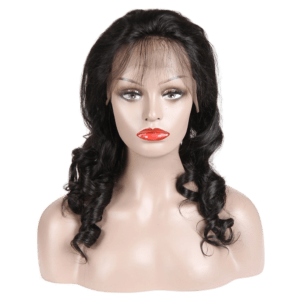
A human hair wig may shed slightly, especially when it is new. The hair is attached to lace, wefts, or a cap, so aggressive brushing and repeated tension can loosen the strands.
Follow these wig-care steps:
- Seal the knots: For lace wigs, apply a suitable knot-sealing product to the underside of the lace. This can help secure individually ventilated hairs, but avoid over-bleaching the knots because it may weaken them.
- Detangle from the ends upward: Hold the hair near the cap and gently work through tangles with a wide-tooth comb or wig brush.
- Avoid brushing when soaking wet: Wet hair is more vulnerable to stretching and breakage. Gently squeeze out water with a towel instead.
- Wash with a mild, sulfate-free product: Avoid vigorous scrubbing. Clean the hair in a downward motion and keep heavy conditioner away from the lace and knots.
- Limit heat styling: Use low heat and a heat protectant. Air-drying on a wig stand is usually gentler than repeated blow-drying.
- Reduce friction: A satin bonnet, satin pillowcase, or smooth scarf can help reduce rubbing while sleeping.
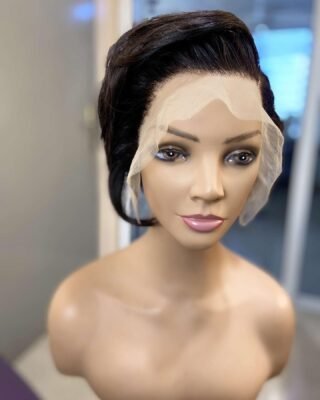
- Store it correctly: Keep the wig on a stand or mannequin head, away from humidity, direct sunlight, and anything that may catch or pull the hair.
A wig cannot always be made completely shed-free. If large amounts of hair come out from the lace, the knots may be loose, over-bleached, or poorly constructed. In that case, contact the seller or a professional wig specialist.

How to Stop a Human Hair Weave From Shedding
Weave shedding is often caused by cut wefts, weak stitching, excessive brushing, heat, or tension from styling. The aim is to protect both the extensions and your natural hair underneath.
Use these weave-maintenance tips:
- Seal cut wefts before installation. A professional weft-sealing product may help reduce shedding from the cut edges. Follow the product instructions and allow it to dry fully.
- Choose a secure installation. Tracks should be sewn or installed without excessive tension. Tight braids, glue, or heavy extensions can damage your natural hair and scalp.
- Brush gently. Start at the ends and move toward the roots while supporting the track or weft with your hand.
- Do not scratch or pull the tracks. Scratching can loosen stitches and pull out strands.
- Keep the scalp clean. Use a diluted shampoo and gently cleanse between the tracks. Avoid leaving heavy oils and product buildup on the scalp.
- Dry the weave completely. Moisture trapped under the extensions can contribute to odor, irritation, and tangling.
- Avoid excessive heat and tight ponytails. Both can weaken the hair and put stress on the installation.
If your scalp becomes painful, itchy, swollen, or tender, remove the weave and seek professional advice. Continuing to wear a tight or irritating installation may contribute to traction-related hair loss.
Best Shampoos for Reducing Hair Fall
The best shampoo depends on whether you are dealing with true hair loss, dandruff-related shedding, dryness, or breakage. Shampoo mainly cleans the scalp and reduces buildup; it does not usually stop genetic or hormonal hair loss by itself.
Ingredients worth considering
| Shampoo type | Best for | What to know |
|---|---|---|
| Ketoconazole shampoo | Dandruff, seborrheic dermatitis, itchy or flaky scalp | It may support scalp health, but it is not a guaranteed hair-growth treatment. |
| Zinc pyrithione shampoo | Flaking and scalp irritation | May help manage dandruff-related scalp problems. |
| Selenium sulfide shampoo | Persistent dandruff | Use according to the label because it can be drying for some hair types. |
| Moisturizing, sulfate-free shampoo | Dry, textured, chemically treated, or breakage-prone hair | Helps reduce dryness and friction, which may lower breakage. |
Dermatology guidance notes that ketoconazole may help improve scalp and hair health, while harsh ingredients and excessive cleansing may worsen dryness or breakage in some people
For a human hair wig or weave, choose a mild, sulfate-free shampoo designed for human hair extensions or wigs. Do not use strong medicated shampoo on an extension piece unless the manufacturer or a professional recommends it.
Top-Rated Hair Conditioners for Reducing Hair Fall
Conditioner does not stop shedding from the follicle, but it can reduce tangling, friction, dryness, and breakage. Look for ingredients such as fatty alcohols, panthenol, hydrolyzed proteins, ceramides, oils, and lightweight silicones. These ingredients can improve slip and make fragile hair easier to detangle.traya
Some well-reviewed options for dry or damaged hair include:
- Redken All Soft Conditioner: A popular choice for dry, damaged hair and improved softness; it was selected as Wirecutter’s best conditioner for dry, damaged hair.nytimes
- Olaplex No. 5 Bond Maintenance Conditioner: Suitable for hair weakened by bleaching, coloring, or heat styling.
- Redken Extreme Conditioner: A strengthening option for fragile or chemically treated strands.
- Briogeo Don’t Despair, Repair! Mask: A deeper treatment for dry, brittle hair used weekly.
- SheaMoisture Jamaican Black Castor Oil Conditioner: A richer option for curly, coily, or very dry hair.
These products may help reduce breakage, but results depend on the condition of your hair and how you use them. Apply conditioner mainly to the lengths and ends of natural hair. For wigs and weaves, avoid applying heavy conditioner directly to lace, knots, or attachment points because it may loosen the construction.
Final Hair-Shedding Checklist
To reduce shedding and breakage:
- Detangle gently from the ends upward.
- Avoid tight hairstyles and excessive tension.
- Use a mild shampoo and moisturizing conditioner.
- Limit bleach, relaxers, and high-heat styling.
- Seal wig knots and weave wefts when appropriate.
- Sleep with a satin bonnet or on a satin pillowcase.
- Keep wigs, weaves, and natural hair clean and fully dry.
- Consult a dermatologist if hair loss is sudden, severe, patchy, or accompanied by scalp pain or inflammation.
Minor shedding is normal, but persistent or rapidly worsening hair loss should be evaluated by a healthcare professional rather than treated only with beauty products.
Conclusion
By incorporating these tips into your wig care routine, you can significantly reduce shedding and keep your wig looking beautiful and natural. Remember that proper maintenance and a gentle touch go a long way in preserving the quality and longevity of your wig. And that is a few tips on how to stop human hair from shedding.

 Register